
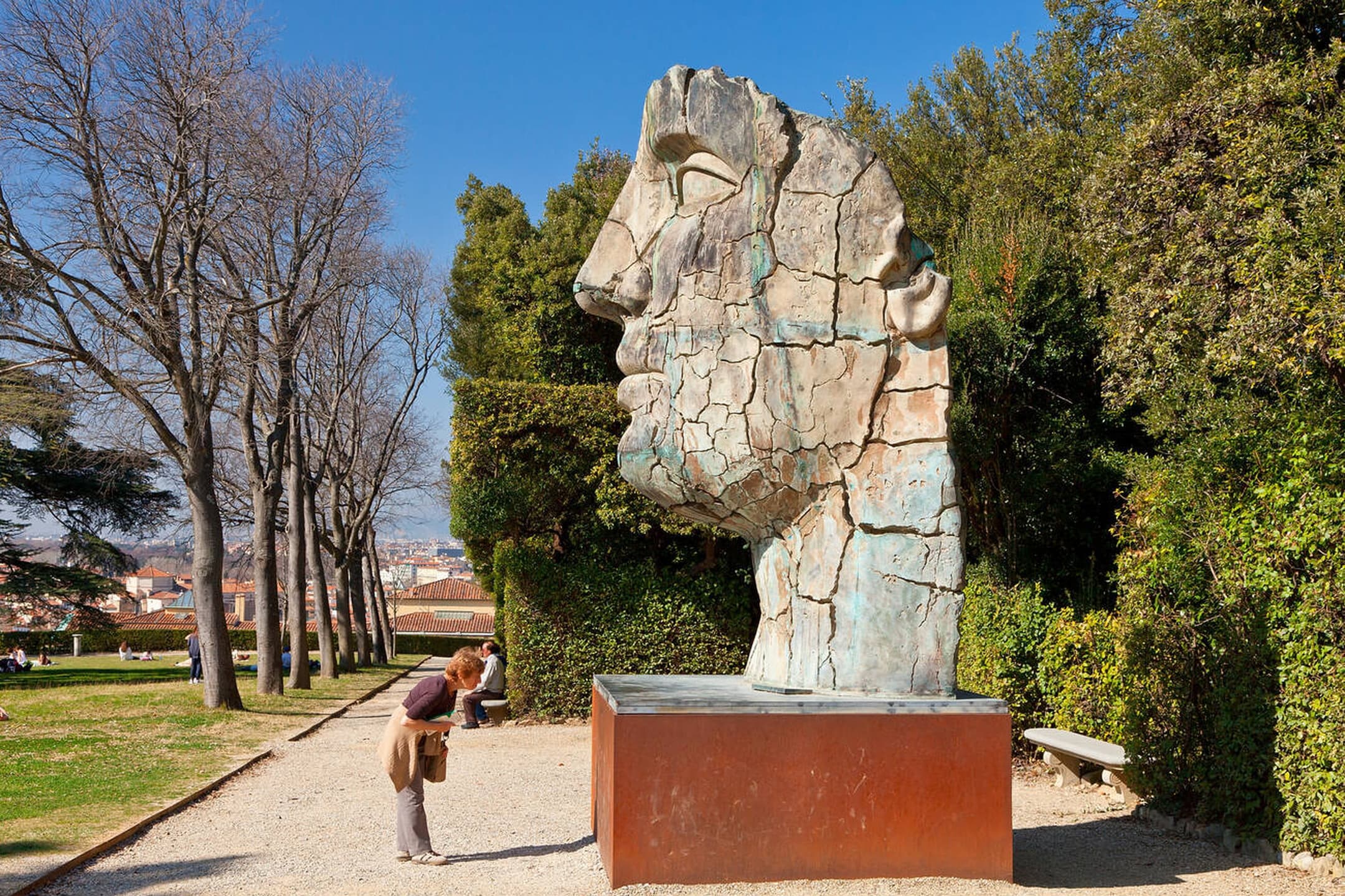
Exploring Boboli Gardens in Winter
Winter Opening Hours

Boboli Gardens follow reduced winter opening hours to reflect shorter daylight and seasonal care. From November through February the park opens at 8:15 AM (these Boboli Gardens Florence winter hours apply across November–February) and closes at 4:30 PM; the last admission is at 3:30 PM.
The gardens are closed on the first and last Monday of each month and observe closures on Christmas Day (December 25) and New Year’s Day (January 1). Visit during mid-morning or early afternoon to maximise daylight and to avoid slippery or icy paths at opening and closing times.
Tickets are commonly combined with the Pitti Palace museums, so verify combined-entry options and current schedules on the official site before you travel.

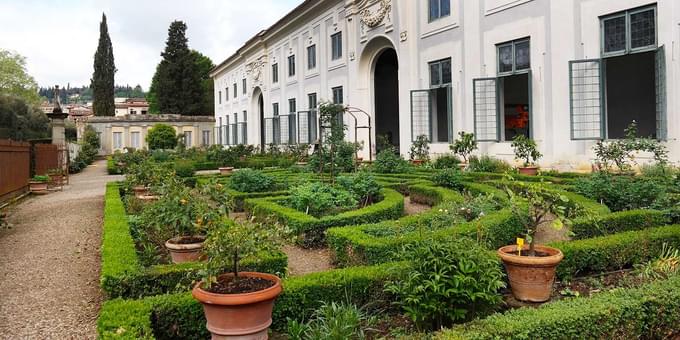
Things to See in Boboli Gardens in Winter

Walk among dozens of classical and Renaissance sculptures placed across the grounds. In winter, the absence of foliage accentuates sculptural lines, facial expressions, and carved details. Pause to view works from multiple angles; cooler air and softer light often reveal textures and patinas that summer crowds and greenery can hide. The quieter season makes it easier to study inscriptions, sculptors’ marks, and the relationship between each statue and its landscape setting.

Pause at the Neptune Fountain to view its commanding sculptural group and basin. In winter the water surface often mirrors the pale sky, and the surrounding plaza is typically calm and uncluttered. Colder months can reduce fountain flow or require temporary shutdowns to avoid freezing damage, but the monumental figures and basin architecture remain a striking reminder of Medici ambition and theatrical garden design. The stillness invites long, reflective observation.

Stroll down the Viottolone, the dramatic cypress-lined avenue that leads toward Porta Romana. In winter, the avenue’s geometry becomes especially clear as bare branches and mist frame the long axis. Take a slow walk and pause at carefully arranged sightlines; the perspective was designed to guide the eye and create a measured, processional experience. This avenue is ideal for contemplative walking and moody winter photography.


Visitor Information For Boboli Gardens In Winter

- Plan footwear & clothing: Wear sturdy shoes with good grip—many paths are gravel, compacted earth, or flagstone and can be slippery after rain or frost. Dress in layers and bring a waterproof jacket, hat, and gloves for gusts and drizzle.
- Accessibility: Wheelchair access is limited to flatter areas near the Pitti Palace; steep slopes and steps make several zones unsuitable for wheelchairs or strollers. Ask staff at the entrance for the best accessible routes.
- Facilities: Expect reduced services in winter—some cafés and kiosks close for the season, but restrooms stay open. Bring small snacks or plan for a nearby café outside the gates.
- Guided tours & bookings: Public guided tours are less frequent in winter. Book private or specialist tours ahead if you want an in-depth visit tailored to art, garden history, or Medici themes. Winter guided tours are often smaller and more personal.
- Timing & duration: Allow 1.5–3 hours for a relaxed visit; photographers and slow walkers should budget extra time. Combine the gardens with Pitti Palace museums if you want a sheltered indoor option on a cold day.
- Tickets & travel: Tickets are often combined with museum entry—check times before you go. Use public transport or short taxi rides to reach the gardens; parking close to the historic centre is limited and metered.
- Safety & weather: Check the weather and entrance notices on the day of your visit; staff will advise about temporary path closures after frost or heavy rain.
Know Before You Go To Boboli Gardens In Winter
FAQs For Boboli Gardens In Winter
What are Boboli Gardens’ winter opening hours?
From November through February the gardens typically open at 8:15 AM and close at 4:30 PM, with last entry at 3:30 PM. The park closes on the first and last Monday of each month and observes closures on Christmas Day and New Year’s Day. Hours can change for events or maintenance; always check the official site or your ticket provider for last-minute updates before you visit.
Is Boboli Gardens worth visiting in winter?
Yes. Winter brings a quieter, more contemplative feel: statues and architecture become the main focus, and views over Florence gain a reflective mood. If you enjoy photography, history, or calm walks, winter rewards close looking and longer stops at individual features without large crowds. Expect cooler temperatures and shorter daylight, but enjoy a more intimate garden experience.
Are the fountains and gardens active in winter?
Some fountains may run at reduced flow or be paused during freezing conditions to prevent damage. Even when water displays are limited, the sculptural groups, basins, and stone architecture remain visually striking. Winter emphasizes texture and form rather than floral displays, which many visitors find artistically rewarding.
Can I take a guided tour of Boboli Gardens in winter?
Guided public tours are offered less frequently during the off-season, but private and specialist tours are usually available by appointment. Book ahead to secure language preferences or themed guides (art history, Medici heritage). Winter tours are often smaller and more flexible, allowing deeper discussion and better photographic opportunities.
What should I wear when visiting Boboli Gardens in winter?
Dress in layers so you can adapt to changing temperatures and wind. Wear a waterproof outer layer and shoes with good traction for damp or icy paths. Pack gloves, a hat, and a scarf for comfort, and protect camera gear from moisture; bring spare batteries since cold drains battery life more quickly.
Are parts of the gardens closed in winter?
plots, or smaller sections after heavy rain or frost. Major highlights such as the Viottolone, Neptune Fountain area, Grotto of Buontalenti, and Amphitheatre are usually accessible but can be subject to temporary restrictions. Check at the entrance or online for current access information.
Tours